Photo by Anna Shvets on <a href="https://www.pexels.com/photo/woman-sitting-on-luggage-3943882/" rel="nofollow">Pexels.com</a>
India’s civil aviation sector has faced unusual turbulence in recent months, and IndiGo — the country’s largest airline — has been at the center of it. After mass flight cancellations, severe pilot shortages, and nationwide passenger disruption, the Government of India and the Directorate General of Civil Aviation (DGCA) issued a series of guidelines, relaxations, and warnings to restore stability and protect passenger rights. These actions reveal both the seriousness of the crisis and the government’s attempt to balance safety with operational continuity.
The first set of guidelines relates to crew-duty regulations, officially known as Flight Duty Time Limitations (FDTL). Introduced to reduce pilot fatigue, these rules mandated longer weekly rest periods (48 hours instead of 36), fewer night operations, and stricter limits on consecutive duty hours. While crucial for safety, these rules contributed to a sudden mismatch between IndiGo’s crew availability and its flight schedule, resulting in over a thousand cancellations.
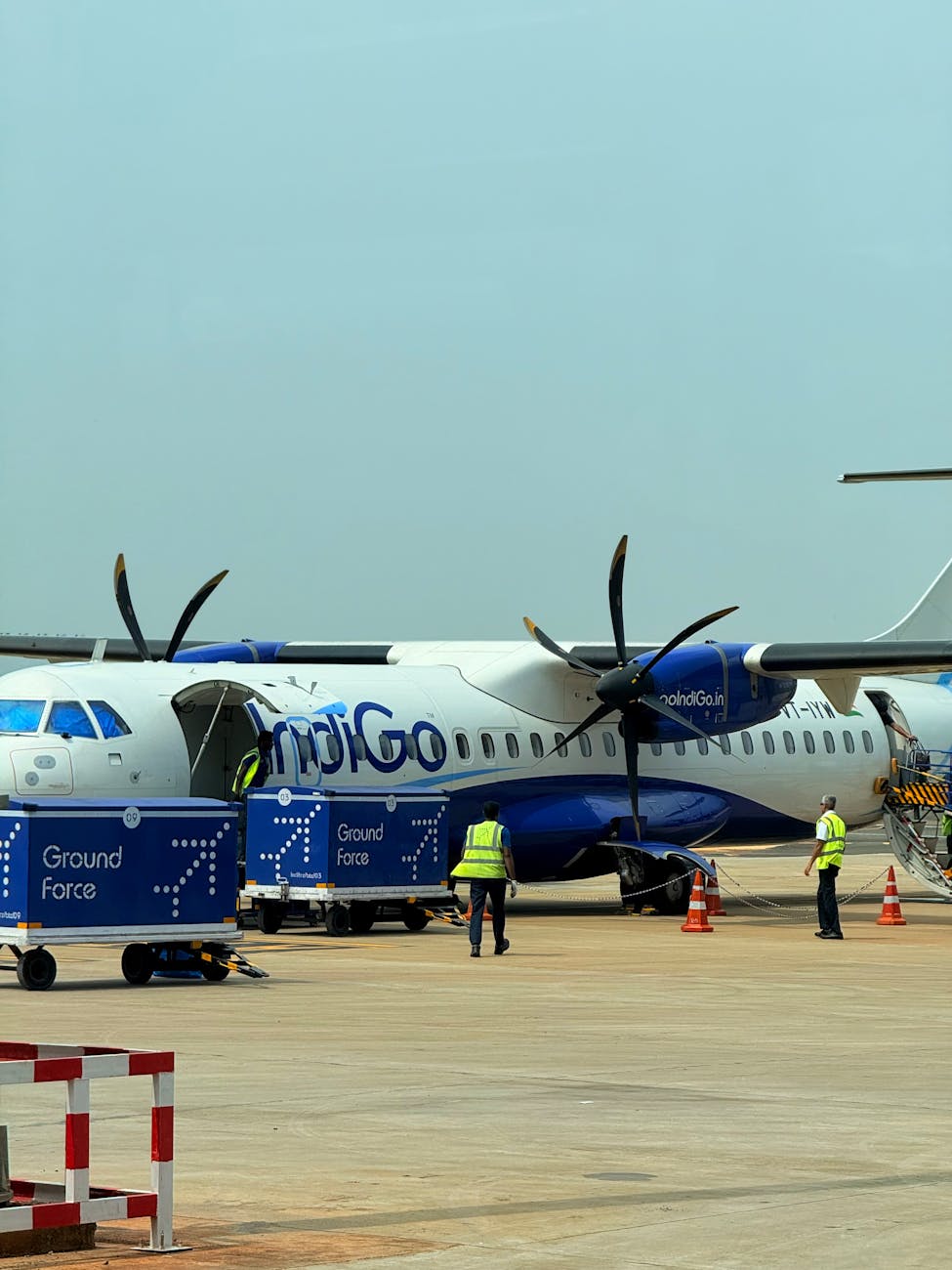
In response to the chaos, the government temporarily eased several FDTL restrictions specifically for IndiGo’s A320 fleet. Night-duty limitations were relaxed, certain rest-period clauses were withdrawn, and the airline was allowed short-term exemptions until February 2026. However, these relaxations were conditional. IndiGo must submit a detailed 30-day roadmap outlining how it will fix its crew shortages, improve rostering, and ensure long-term compliance with safety norms.
Parallel to operational guidelines, the civil aviation ministry issued strong passenger-protection directives. IndiGo was ordered to clear all pending refunds for cancelled flights, waive rescheduling charges for affected travellers, and return misplaced baggage within 48 hours. The airline was asked to ensure accommodation, food assistance, and special support for stranded senior citizens, children, and differently-abled passengers. These measures aimed to reduce public distress and restore confidence amid widespread travel chaos.
The DGCA also issued a show-cause notice to IndiGo’s top management, questioning planning failures and demanding explanations for the unprecedented disruption. This indicates that regulatory scrutiny is now at its highest level.
In summary, the government’s guidelines balance accountability with temporary operational relief. IndiGo must now act swiftly to rebuild reliability, comply with safety standards, and regain public trust — or face stricter action in the months ahead.